
The Connection Between Cleaning Practices and Air Quality
Indoor air quality is crucial for a healthy working environment. Poor air can lead to health issues, reducing productivity and increasing sick days. By focusing on cleaning practices, you can significantly improve the air quality in your office. This involves regular cleaning routines, proper ventilation, and using safe cleaning products. Understanding these connections will help create a healthier workspace for everyone.
The Impact of Dust and Allergens
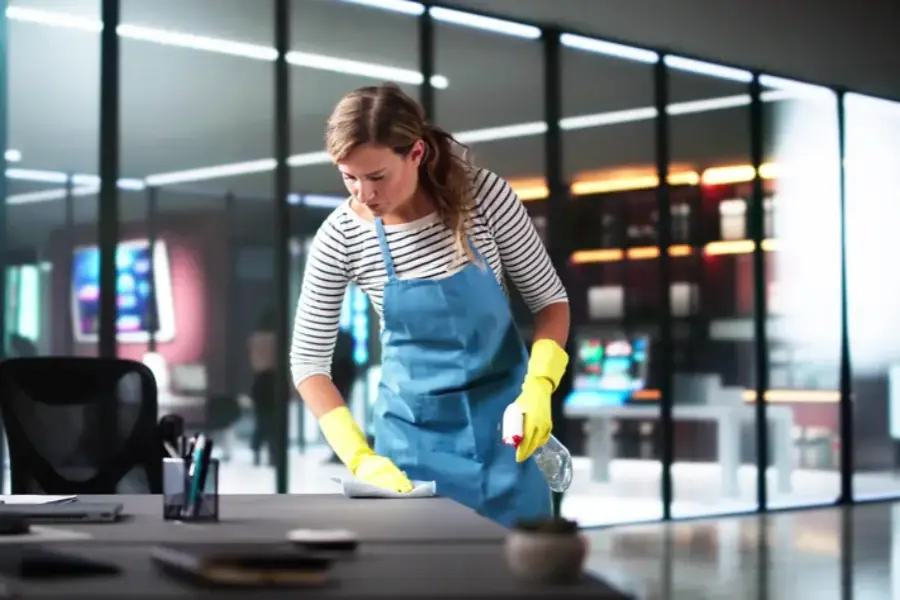
Dirt and dust are major contributors to poor indoor air quality. These particles can trigger allergies and respiratory issues among employees. Regular office cleaning helps reduce dust accumulation on surfaces such as desks, shelves, and floors. This practice not only improves air quality but also creates a more pleasant work environment.
The Role of Mold and Mildew
Mold and mildew thrive in damp environments and can severely affect air quality. They release spores that can cause breathing problems and other health issues. Proper office cleaning includes checking for moisture buildup in areas like bathrooms and kitchens. Addressing leaks and ensuring good airflow can prevent mold growth, keeping the air clean.
Choosing the Right Cleaning Products
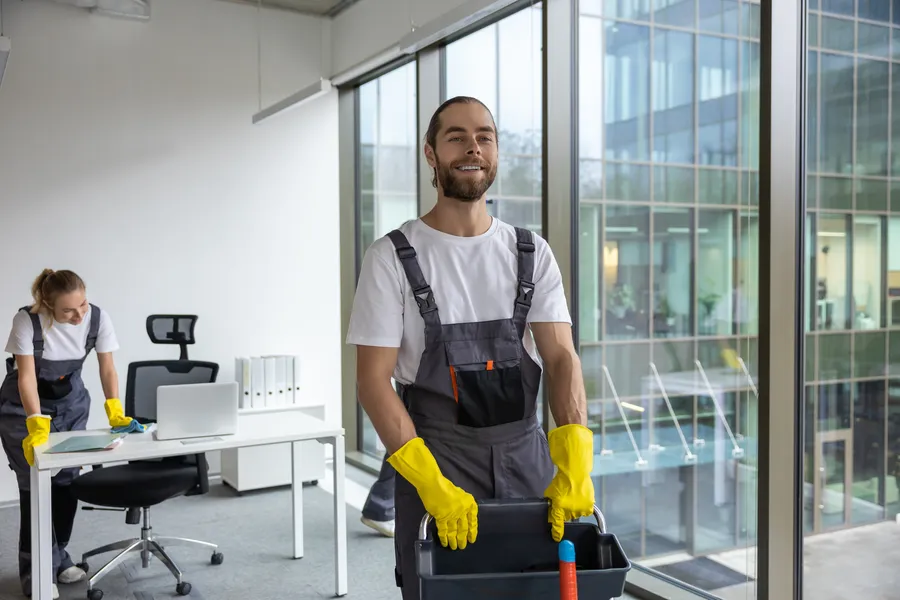
The type of cleaning products used affects indoor air quality. Many commercial cleaners contain chemicals that emit harmful fumes. Opting for eco-friendly products with natural ingredients can minimize these emissions. When selecting cleaning supplies, look for labels indicating they are non-toxic and biodegradable to keep the workplace safe.
The Benefits of Regular Ventilation
Ventilation plays a key role in maintaining good air quality. It helps circulate fresh air and remove pollutants from the building. Open windows when possible or use mechanical systems to ensure adequate airflow. Consistent ventilation reduces the concentration of contaminants indoors, making it essential for healthy offices.
Regular Maintenance Schedules
Establishing a consistent maintenance schedule ensures continuous improvement in air quality. Include tasks like vacuuming carpets, cleaning HVAC filters, and sanitizing shared spaces. Routine checks and balances help identify potential issues before they become significant problems, fostering a cleaner office atmosphere.
- Vacuum carpets weekly to reduce dust accumulation
- Clean HVAC filters monthly to ensure efficient operation
- Sanitize shared spaces daily to prevent germ spread
Considering Cost Implications
Certainly, cleaning services may seem costly upfront. However, investing in regular cleaning reduces long-term costs associated with employee health issues and absenteeism due to poor air quality. A healthy workforce means fewer sick days and higher productivity, offering a better return on investment over time.
Conclusion: Taking Action for Healthier Air
Implementing effective cleaning protocols is vital for enhancing indoor air quality at your workplace. By addressing key factors such as dust control, mold prevention, product selection, ventilation, and regular maintenance, you can create a safer environment for everyone. For professional assistance tailored to your needs, contact G & S Cleaning today at (707) 848-3303. Located in Rohnert Park, CA, I provide solutions that make a difference in your office’s health.